Donate
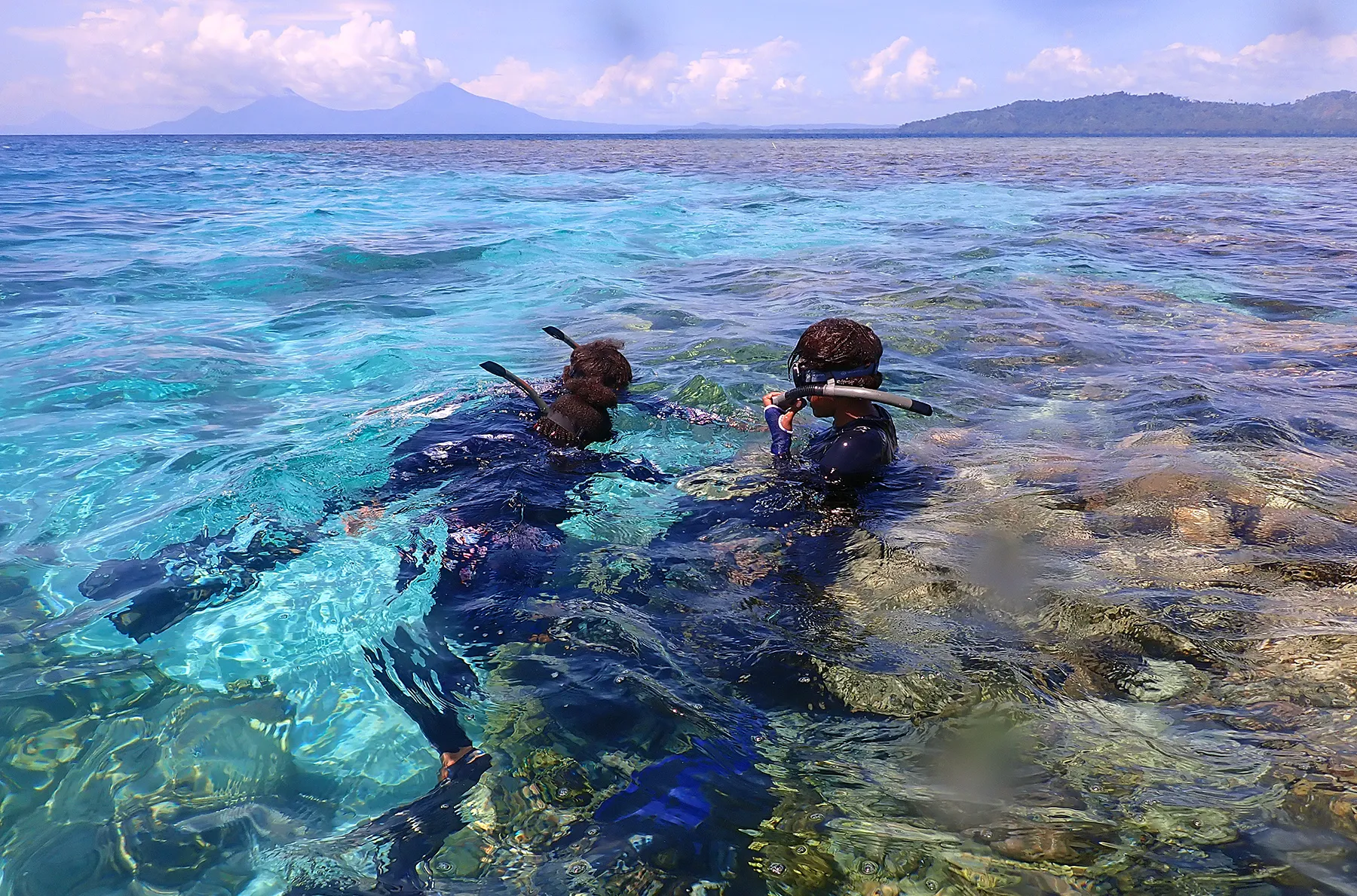
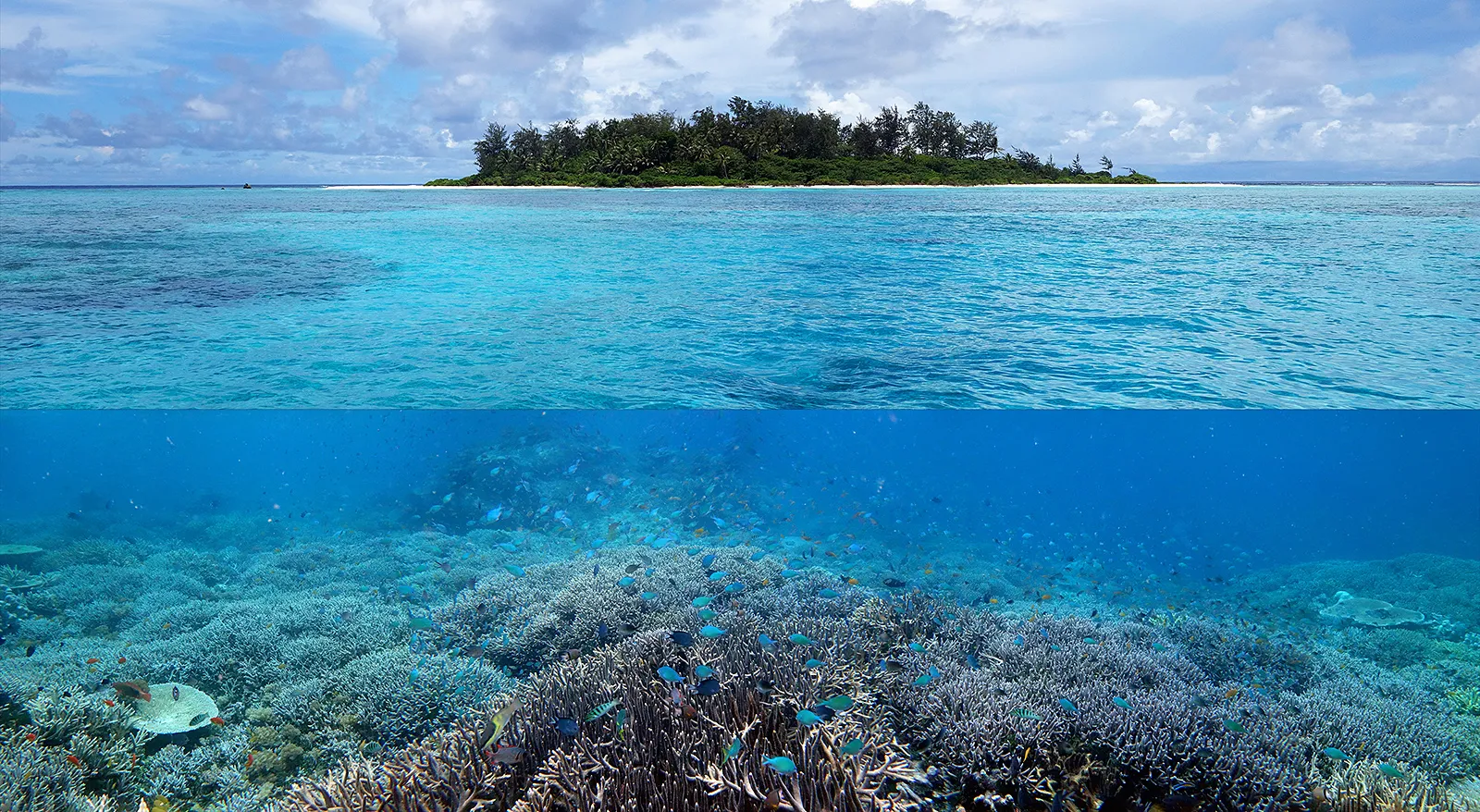
A tropical island above the waterline and a healthy coral reef below, in one frame

Indigenous women are protecting Papua New Guinea’s coral reefs.

Sea Women of Melanesia trains and equips women to survey reefs and to create and manage marine protected areas with their coastal communities.

UNDP Equator InitiativeEquator Prize 2025 winner
One of ten winners worldwide, chosen from 700 applications.

Our mission

More marine reserves in the heart of the Coral Triangle, led by the women who live beside them.

The island archipelagos of Melanesia hold marine ecosystems of exceptional quality and diversity, including the last great reservoirs of high biodiversity reef in the Coral Triangle. Most of this area is remote and rarely visited, and there are not yet enough marine protected areas to safeguard it.

Sea Women of Melanesia works with traditional landowners to develop marine reserves that enhance fisheries and biodiversity. At the same time it improves daily life in partner villages through humanitarian aid and education. Science, gender equity and sustainability guide every project.

  • UN Sustainable Development Goal 5, Gender Equality
  • UN Sustainable Development Goal 11, Sustainable Cities and Communities
  • UN Sustainable Development Goal 14, Life Below Water

Supporting the UN goals for Gender Equality, Sustainable Communities and Life Below Water.

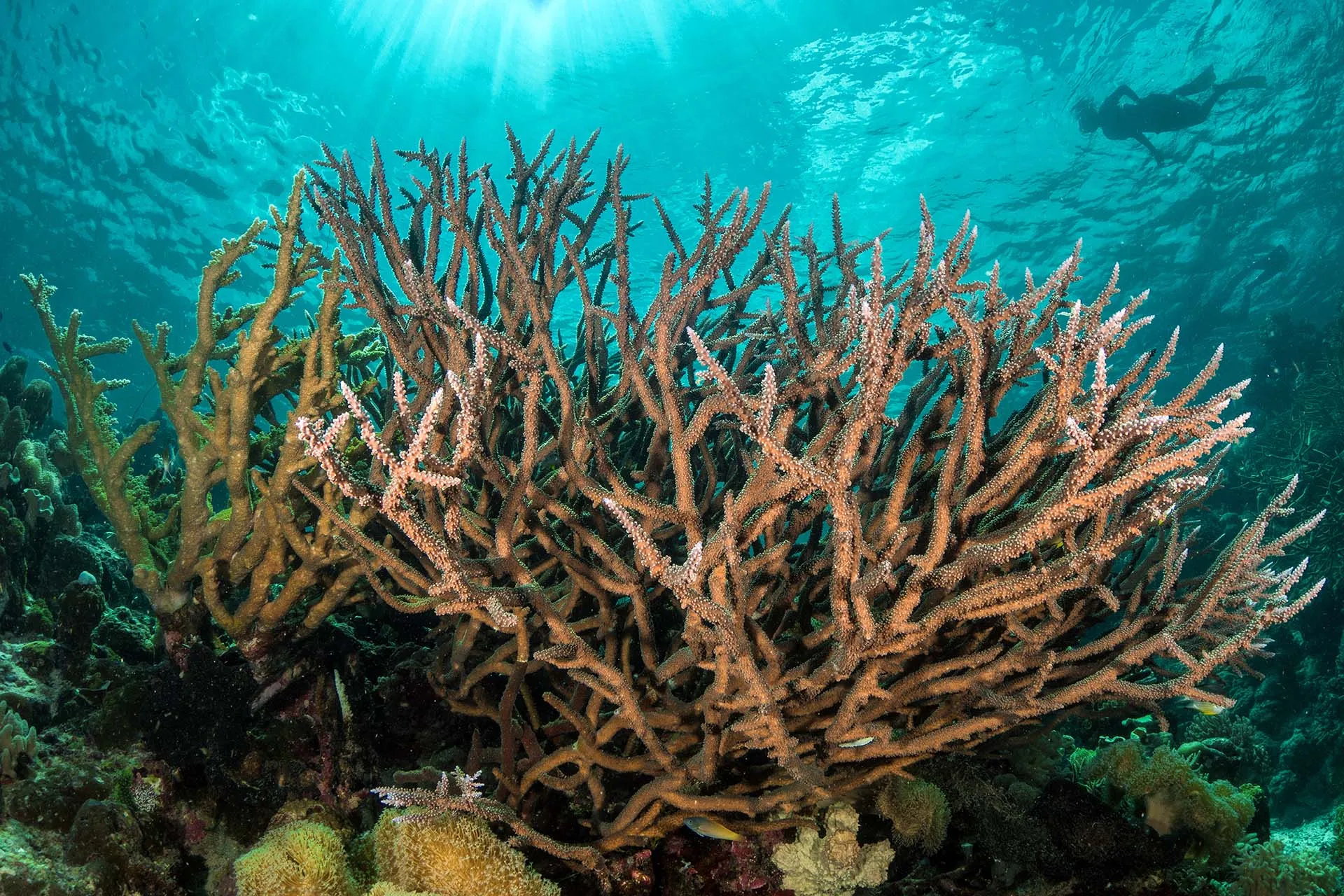
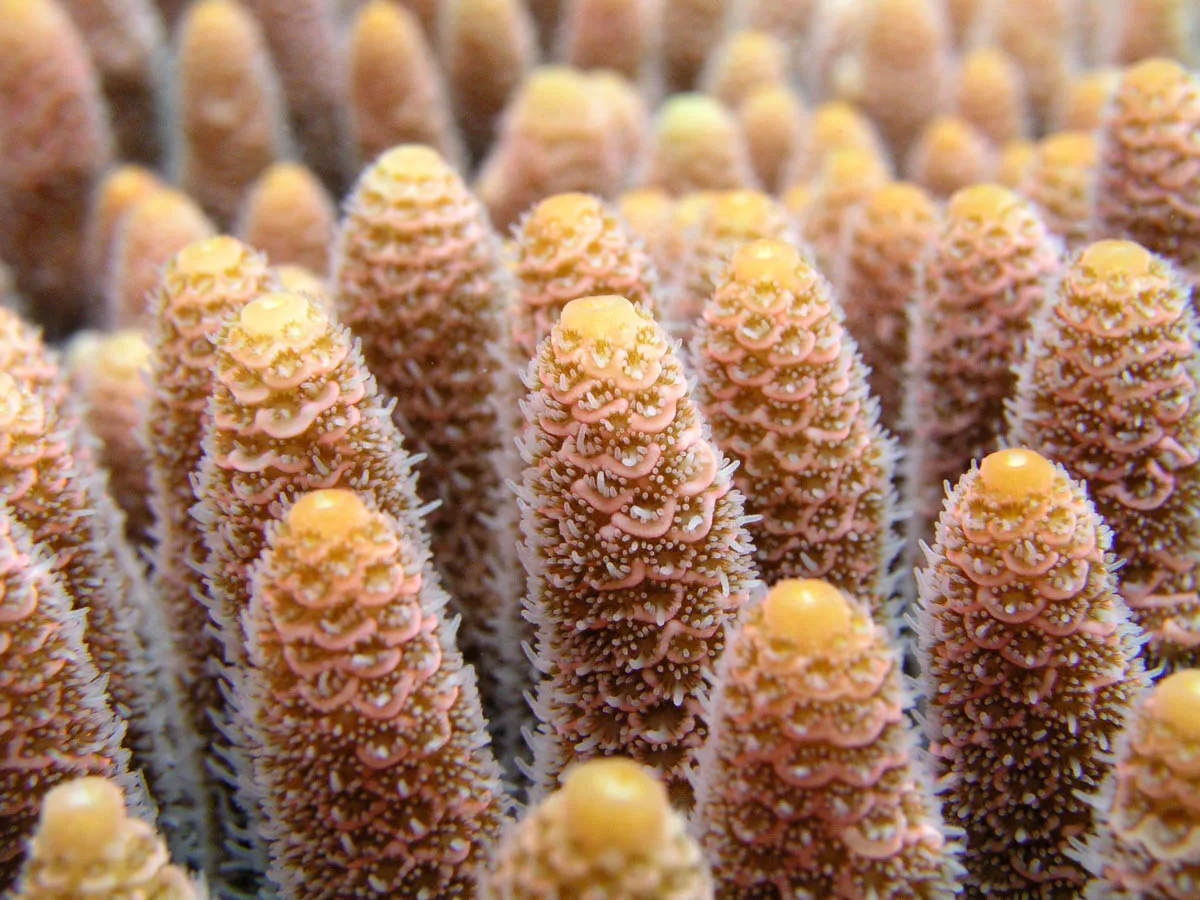
Branching staghorn corals on a reef, lit by sunlight from above
Staghorn corals, the kind of reef the Sea Women survey and protect.

What makes this organisation different

An all female team
Sea Women of Melanesia is the first all female marine conservation organisation in the region. All directors are Indigenous Papua New Guinean women.
Training that builds leaders
Award winning training programs give women the marine science skills to drive conservation with local communities. The result is reef protection and female leaders.
Stories that travel
Photography and video carry the work to people who can support it, from village meetings to international award stages.
Offices in the Coral Triangle
Port Moresby, Alotau in Milne Bay Province and Kimbe in West New Britain Province sit at the heart of the Coral Triangle.

The most current picture of PNG’s reefs comes from women who dive them.

The Sea Women teams monitor reefs with high resolution photographs and automated image analysis. Communities and scientists can use the same data.

  • 16,000+reef images collected by the Sea Women teams over the last three years
  • 55survey sites monitored
  • 4provinces of Papua New Guinea covered
  • 2016year the training program began, on request from Indigenous women and communities

Figures as published by Sea Women of Melanesia on its training program page. Survey images were analysed with ReefCloud.Ai, developed by the Australian Institute of Marine Science.

The training program

How a Sea Woman is trained.

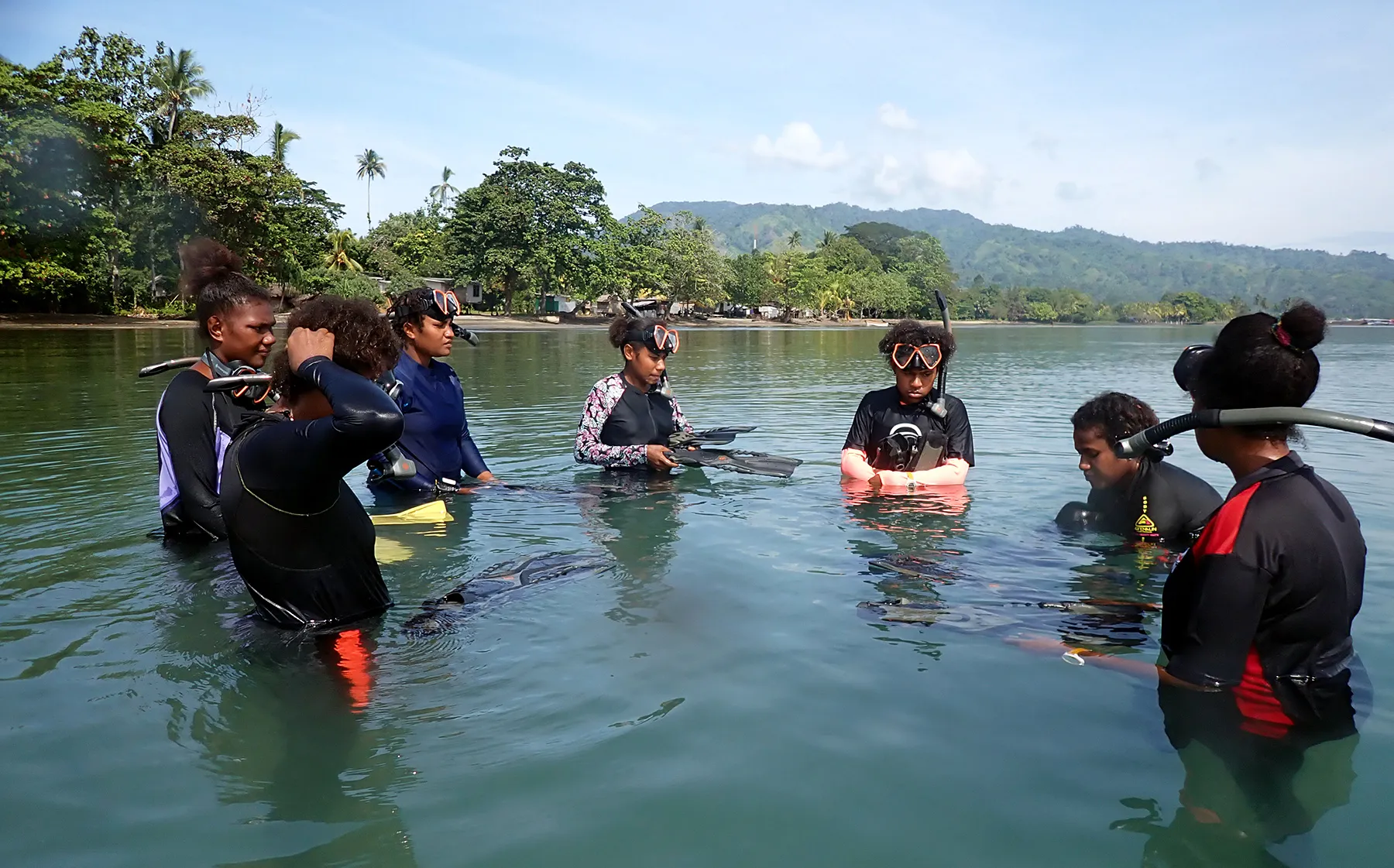
The program began in Papua New Guinea in 2016, in response to direct requests from Indigenous women and communities. It equips women to plan expeditions, navigate vessels and survey reefs with high resolution underwater cameras.

Every skill below is part of the Sea Women Level One Training Standard, a step by step path to proficiency.

Support the training program
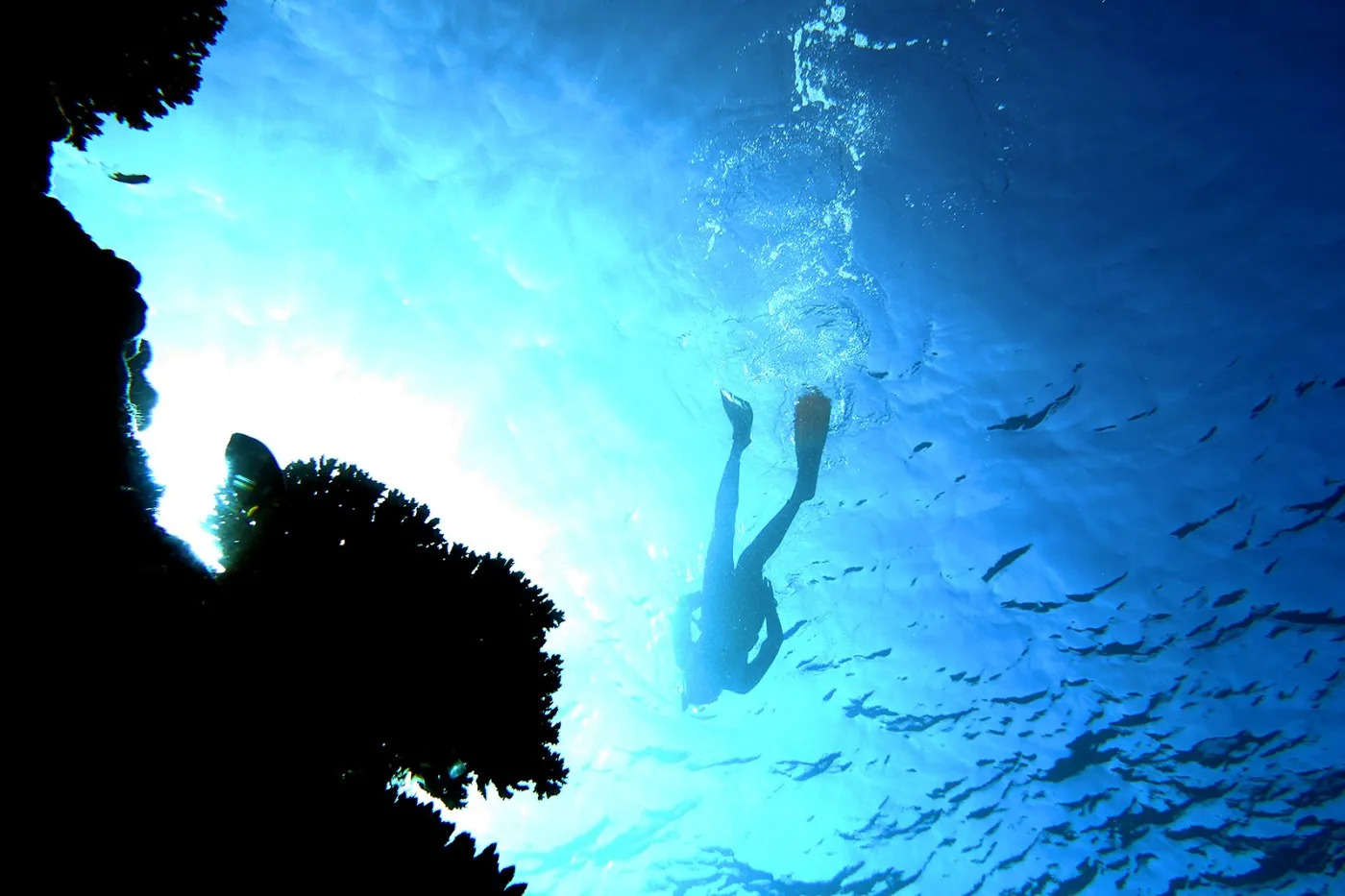
  1. A diver silhouetted against sunlit water next to a reef wall

    Diving and snorkelling

    Trainees become competent snorkellers who can free dive to 4 m and hold their breath for at least 20 seconds. Where facilities exist, women also earn their Open Water Scuba Diver certification.

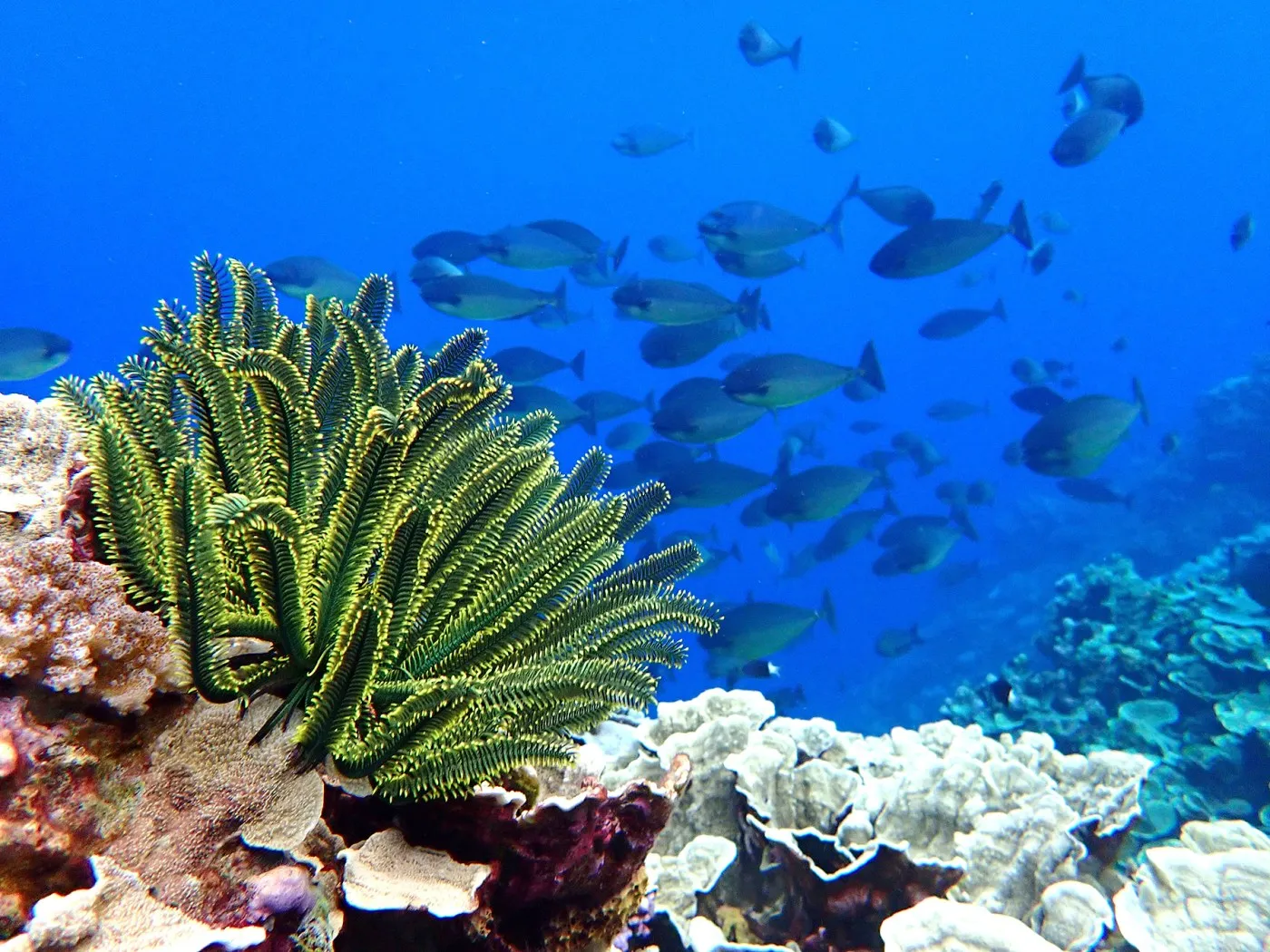
  2. A feather star and a school of fish on a colourful coral reef

    Marine life identification

    Women learn to recognise the major groups of corals, fishes and invertebrates on Melanesian reefs. The learning resources are free on the Coral Sea Foundation website.

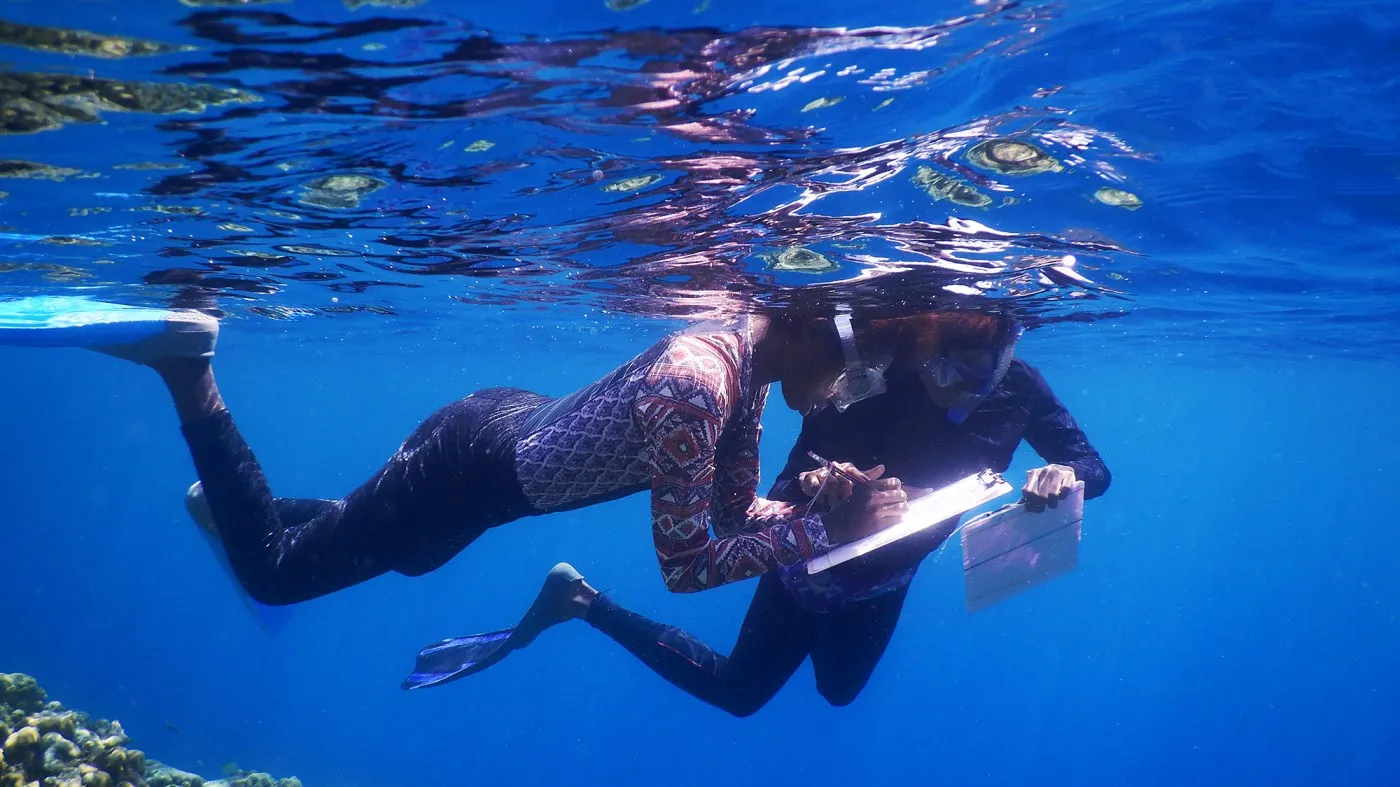
  3. A snorkeller recording observations on a clipboard above a coral reef

    Reef monitoring surveys

    Trainees practise the Locally Managed Marine Area Survey Method on real reefs: fish and invertebrate counts over a 50 m by 5 m transect, plus geotagged photographs.

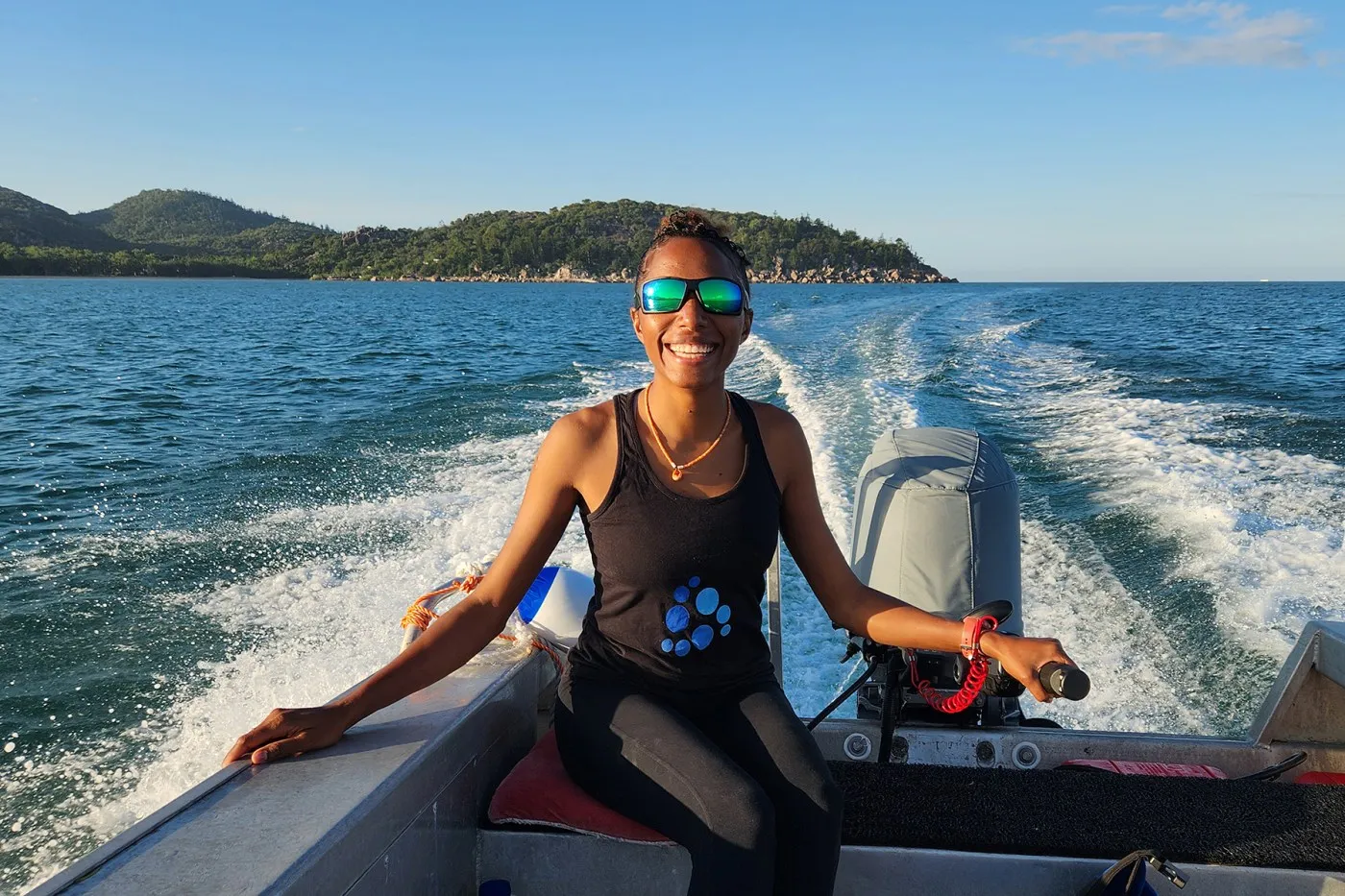
  4. A Sea Woman steering a small boat with a white wake behind her

    Small boat operations

    Voyage planning, GPS use, anchoring on reefs and handling a vessel. Thanks to donors, the teams now run their own small boats with electric start outboard engines.

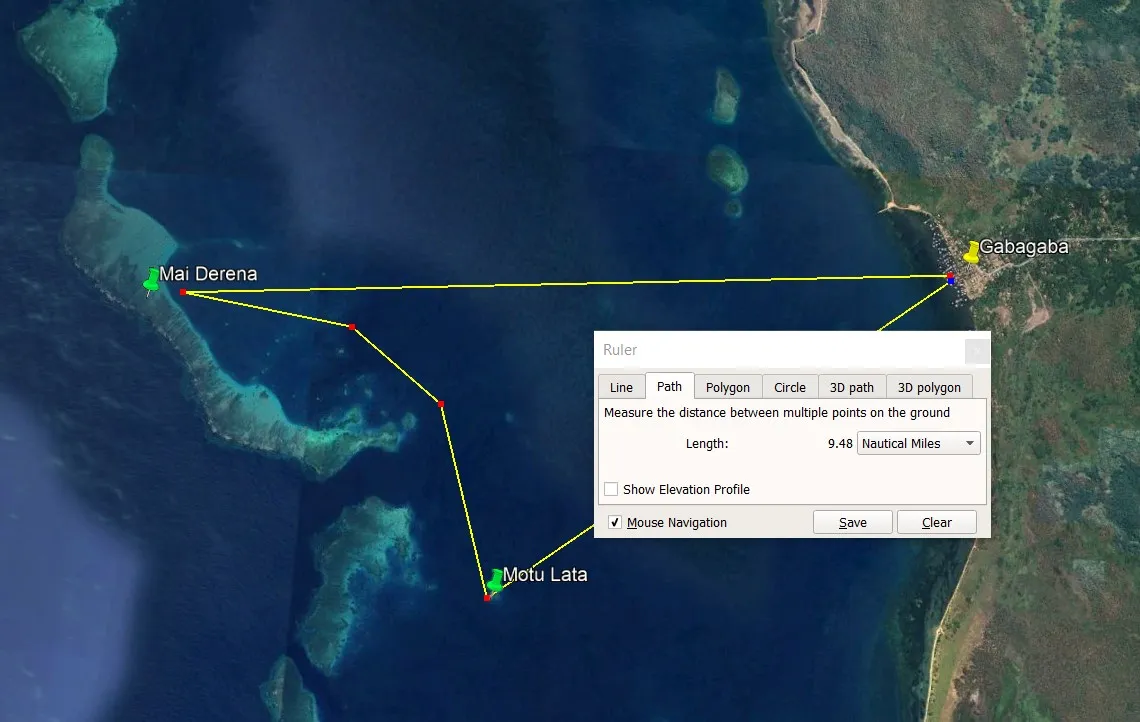
  5. A satellite map with a planned boat route between islands

    Expedition planning

    Google Earth and weather apps turn a survey idea into a plan, with fuel calculations and routes transferred to handheld GPS units. Security risks are part of the training.

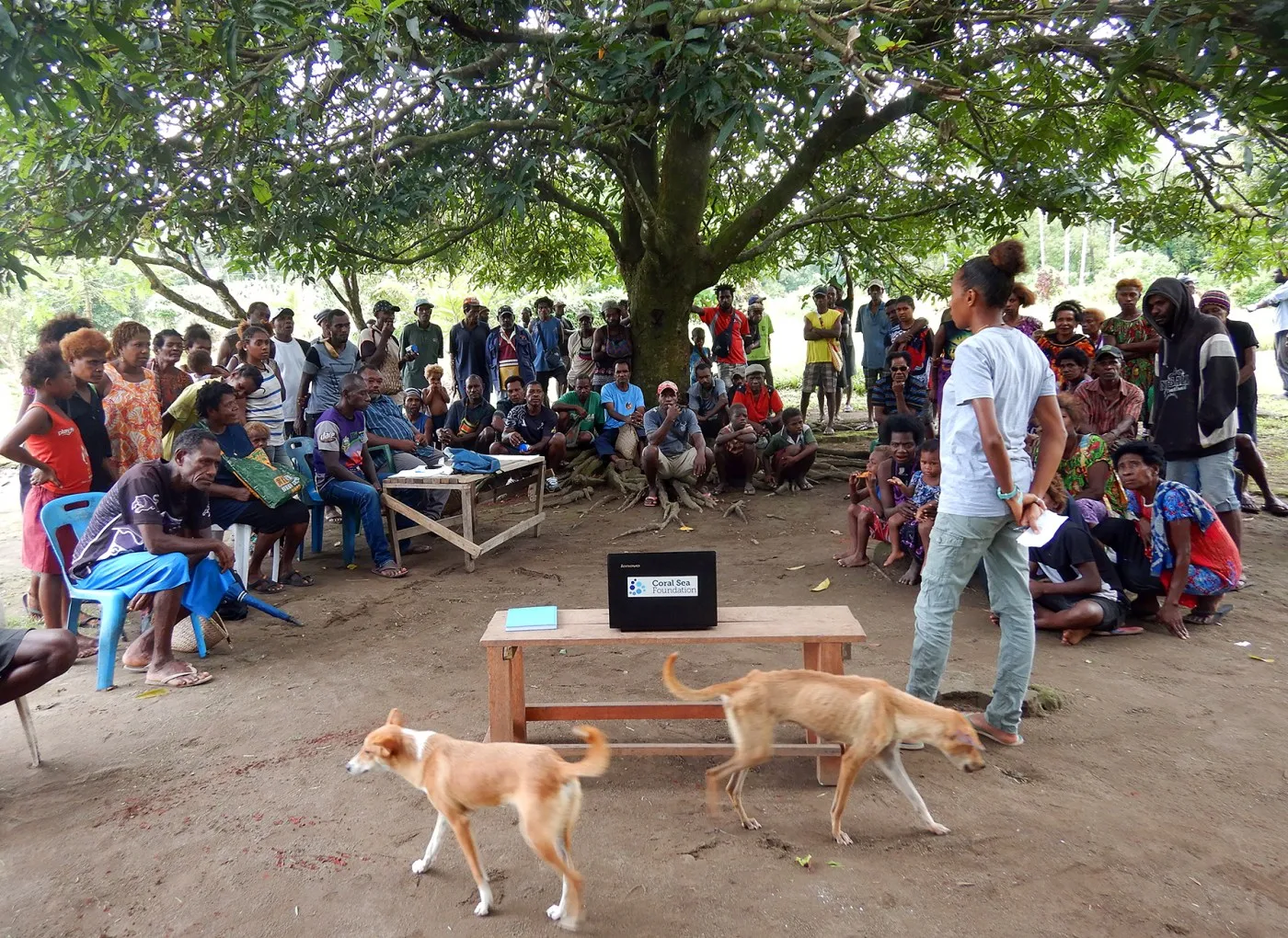
  6. Villagers gathered under a large tree for a community meeting

    Community engagement

    Trainees learn how marine protected areas work and how a Locally Managed Marine Area is applied for, so they can explain the benefits to coastal communities with confidence.

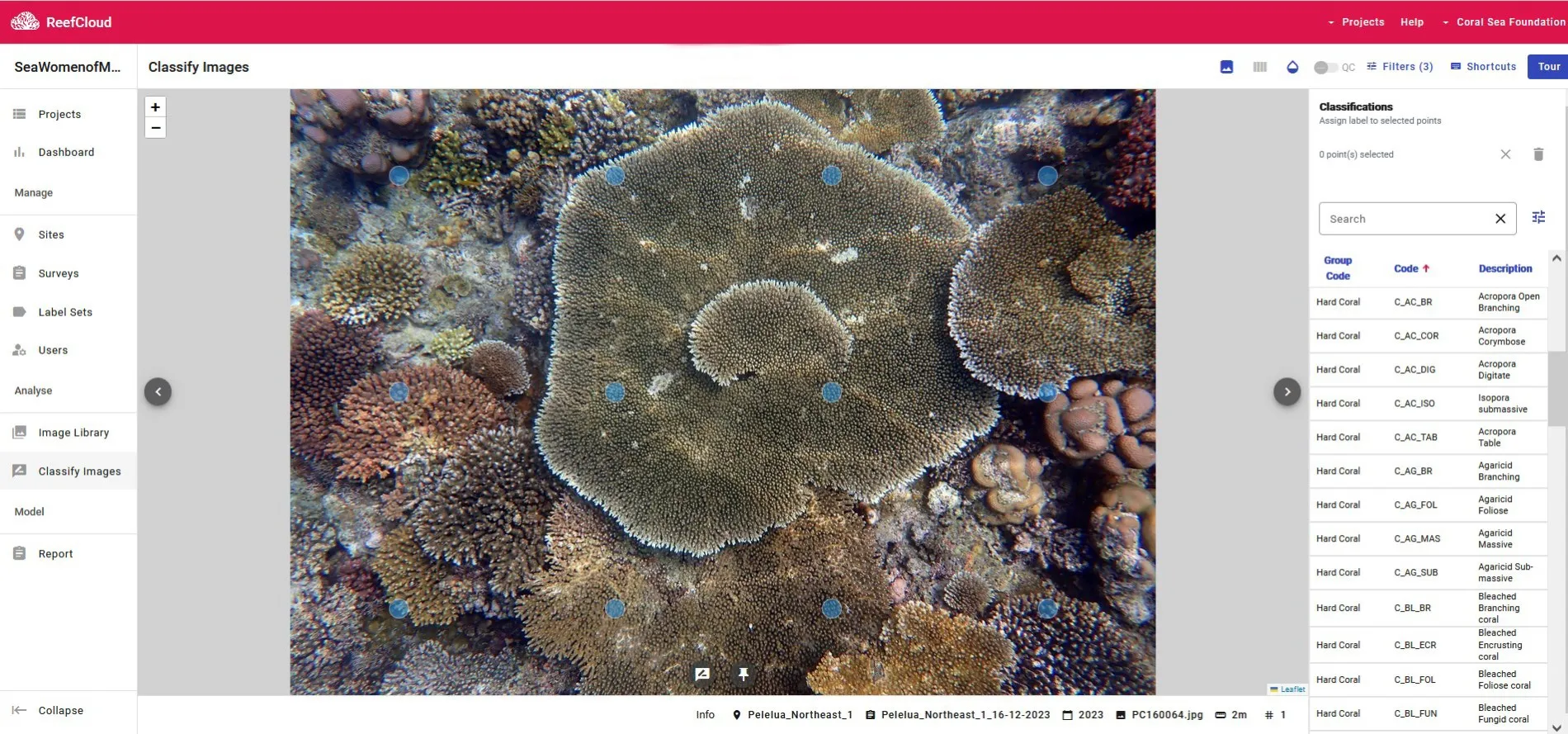
The ReefCloud platform showing a coral photograph with automated image analysis

Reef data analysed in minutes, shared with communities

With the Coral Sea Foundation and the Australian Institute of Marine Science, the Sea Women have helped develop modern reef surveys that combine high resolution photographs with automated analysis in the ReefCloud.Ai system.

The same teams contribute to the Pacific Coral Reef Monitoring Framework, together with the Australian Institute of Marine Science, Conservation International, the Samoan Government and the Secretariat of the Pacific Regional Environment Programme. It blends traditional ecological knowledge with photographic monitoring and gives Pacific Island nations tools that respect sea country.

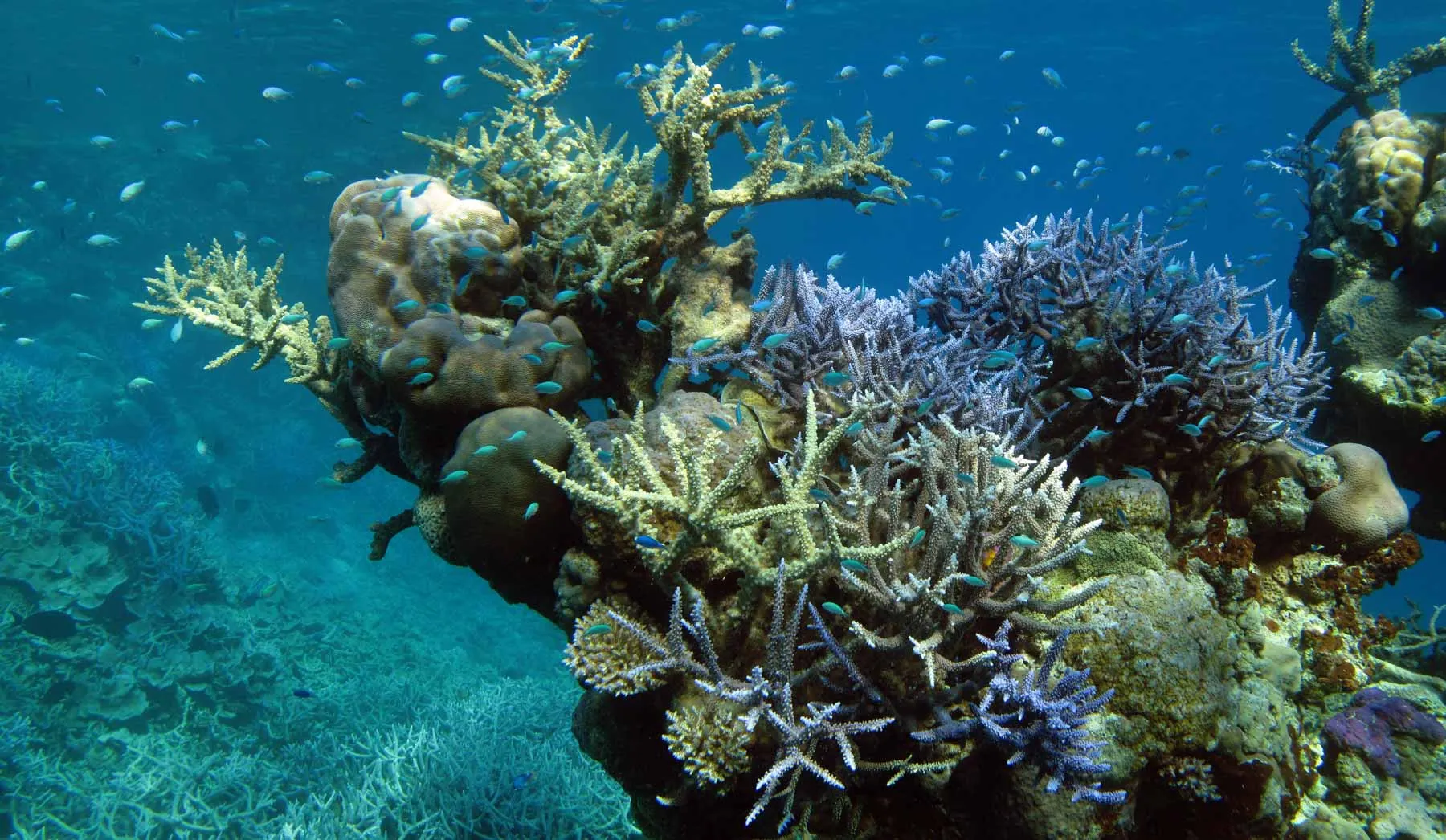
Close up of golden branching coral

Sea Women Great Barrier Reef

Since 2023 the program has also run in Queensland, from the Coral Sea Foundation base on Yunbenun (Magnetic Island), with the consent of the Wulgurukaba traditional owners. Women from Queensland, the Torres Strait and Papua New Guinea can join the intensive course.

  • Strengthen the connection between Indigenous women and their traditional Great Barrier Reef sea country.
  • Give them the practical marine science skills and conservation knowledge to advocate for sustainable management of their marine resources.
  • Forge new links between Indigenous Sea Women around the Coral Sea arc, from the Great Barrier Reef to the Torres Strait, Papua New Guinea and Solomon Islands.

The Level One Standard includes an Open Water Scuba Diver certificate, Advanced First Aid and Resuscitation, and a Queensland Recreational Shipmasters Licence.

Support the Great Barrier Reef program
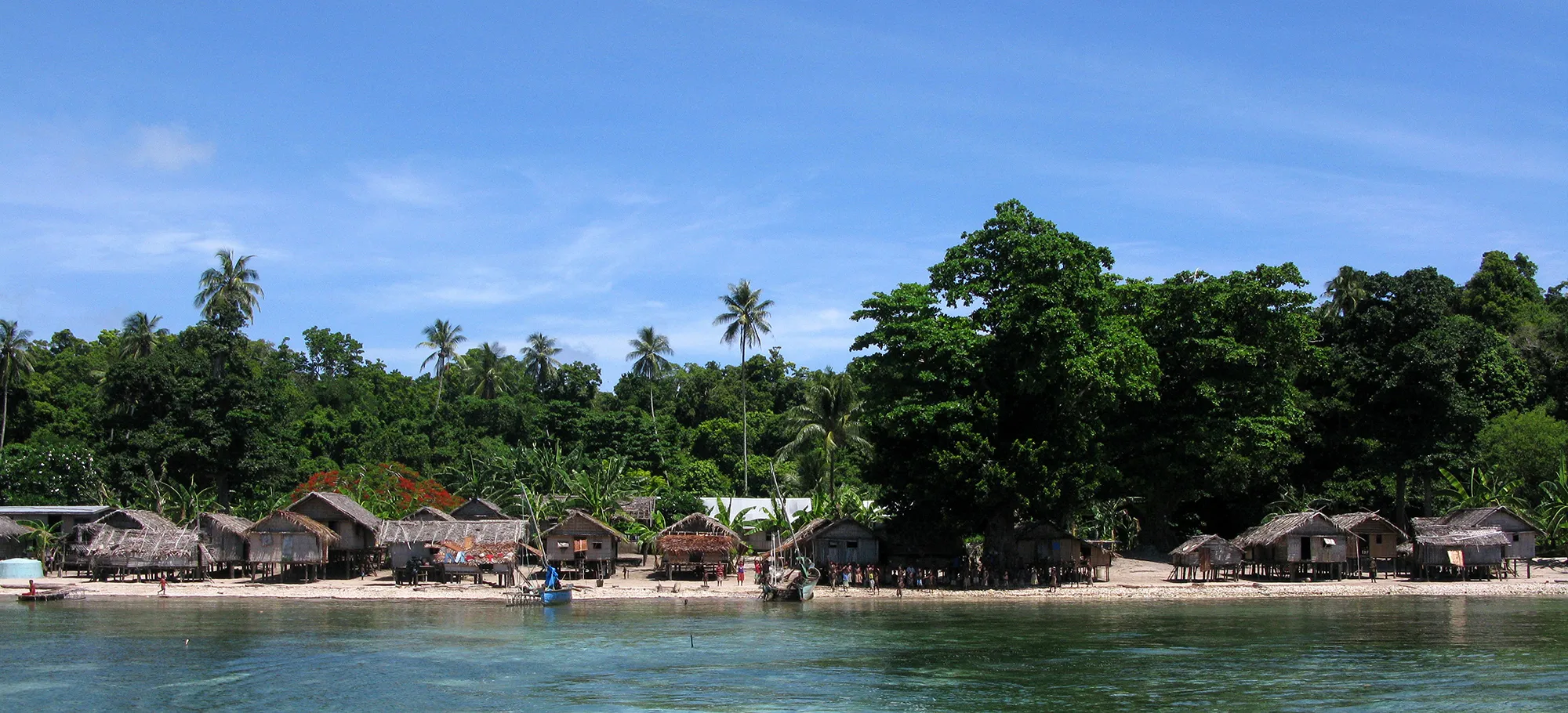
A coastal village with thatched houses on a beach in Papua New Guinea, framed by tropical trees
The island arcs of Papua New Guinea and Solomon Islands form the eastern half of the Coral Triangle.

Where we work

Offices at the heart of the reefs they protect.

This region holds the largest reservoir of high biodiversity coral reef remaining on Earth.

  • Port Moresby

    Head office in the national capital. The team works with the communities of Gabagaba, Tubusereia and Pari.

  • Alotau, Milne Bay Province

    Regional office for a hot spot of marine biodiversity. The teams support community marine reserves, including the Nua Marine Reserve Network on Ferguson Island.

  • Kimbe, West New Britain Province

    Regional office for Kimbe Bay. The Kimbe team supports the Vohi Locally Managed Marine Area, which includes the Mowen and Grabo reefs.

  • Yunbenun (Magnetic Island), Queensland

    Base of the Sea Women Great Barrier Reef program, run with the Coral Sea Foundation.

Our team

Meet the women who protect these reefs.

Sea Women of Melanesia is the first all female marine conservation organisation in the region. Select a portrait to read her story.

Directors

Regional leads

Team members and trainees

Portrait of Gou Ava

Gou Ava

Director

Gou Ava hails from the Central province of PNG and she is a certified scuba diver with a Bachelor of Science from the University of Papua New Guinea. She has research experience in shark and turtle conservation and is the Vice Chairperson of the PNG Center for Locally Managed Areas, which has given her valuable insight into best practices for community engagement in rural Melanesia.

Portrait of Abishag Maguapana

Abishag Maguapana

Director

“Our job isn’t just marine conservation, but helping the rural coastal communities understand how to sustainably manage their resources.”

Abishag hails from a small village called Paremeta on the northern coast of Milne Bay. Her first experiences of marine conservation were observing sticks being placed over the reefs in her clan area to control fishing as part of traditional practices. Since becoming involved with the Sea Women of Melanesia, she has overcome her fear of swimming and gained a deeper appreciation for the complexity of the coral reef ecosystems in Milne Bay, as well as understanding the need for educating local people on the importance of protecting and preserving those reefs.

Portrait of Elizabeth Basho

Elizabeth Basho

Director

Elizabeth Basho is from Madang Province and is a fisheries science graduate from the Papua New Guinea University of Natural Resources and Environment. She is a Director of the organisation and helps manage the Sea Women of Melanesia Inc. from the head office in Port Moresby.

Portrait of Naomi Longa

Naomi Longa

Co Director and Manager, Reef Survey Training Program

Naomi Longa is a proud Melanesian woman from West New Britain and Manus Provinces of Papua New Guinea. She is an ocean advocate, scuba diving instructor, and community conservation leader dedicated to protecting marine ecosystems across the Pacific. As Co Director of the Sea Women of Melanesia program and a lead trainer for its Great Barrier Reef initiative, Naomi empowers Indigenous women through training in coral reef monitoring, marine protected area management, and grassroots community engagement.

Naomi holds a Bachelor of Science in Biology from the University of Papua New Guinea and is a certified SSI Scuba Diving Instructor. Since joining the Sea Women of Melanesia in 2018, she has led conservation programs that combine science, cultural values, and local leadership to protect marine ecosystems.

Naomi has received international recognition for her leadership in ocean conservation, including the 2021 Blue Marine Foundation Ocean Award (Local Hero), the 2022 CPL Foundation Pride of PNG Award (Environment), and the 2024 Whitley Award presented by HRH Princess Anne and Sir David Attenborough, who narrated her award video.

In 2023, she led the National Geographic Pristine Seas team to her maternal island of Manus to document a community established Locally Managed Marine Area, an achievement that reflects her commitment to Indigenous led marine protection. Her work, supported by the Coral Sea Foundation, continues to inspire a new generation of women leaders working to protect the Pacific’s reefs through the integration of traditional knowledge and marine science.

Portrait of Lorie Pipiga

Lorie Pipiga

Team Leader, Ferguson Island, Milne Bay Province

“I’ve always embraced nature, and spent all of my life just wondering, breathing, and at some point, screaming so loud just so I could hear my voice echo through the forest.”

Lorie Pipiga was the first Papua New Guinean woman trained through the Sea Women of Melanesia program, and her experience and passion inspired scores of other First Nations women to get involved with marine conservation. Lorie is from the matrilineal society of East Ferguson Island in the Milne Bay Province, and she lives with her family at Gugula Village in Sebutuia Bay, an area known for its stunning natural beauty and outstanding marine and terrestrial biodiversity. Lorie is the leader of the Ferguson Island Sea Women of Melanesia team and helps the local communities manage the marine protected areas in the Nua Marine Reserve Network.

Lorie’s family are subsistence farmers and fishers and she was the first born daughter of her family. She spent her formative years exploring the tropical rainforests, streams, and coral reefs of her traditional country, and was captivated by the wonders of the natural world. Lorie’s love for the sea was inspired by her Grandfather, who was a master mariner and participated in the famous Kula trade around the Milne Bay province.

In 2012 Lorie met Coral Sea Foundation Director Dr Andy Lewis and was inspired to follow her passion for marine science and conservation. She visited the outer Louisiade Archipelago with Dr Andy in 2015 aboard True North and completed her first free dives on the outer wall of the Deboyne Atoll, and she went on to complete diploma courses in Conservation and Marine Biodiversity at Hope Academy in Alotau. In 2016 and 2017 Lorie travelled to North Queensland and completed her Advanced Scuba diver certification and studied reef survey methods with the Coral Sea Foundation team at Yunbenun (Magnetic Island). Upon returning home, Lorie held community meetings and mustered local support for the creation of the Nua Marine Reserve Network in the sensational marine biodiversity area of the Sanaroa Channel.

Lorie is a mother of three children and continues her work as an advocate for marine conservation in her clan area, educating and empowering other Indigenous women to speak up for the natural environment.

Portrait of Jacinta Jonathan

Jacinta Jonathan

Operations Manager, Milne Bay Province

Jacinta Gigileia Jonathan comes from Fergusson Island in the Milne Bay Province, Papua New Guinea. She grew up between dinghy trips to Fergusson Island and her hometown Alotau. She spent hours in her family owned fish shop in high school selling fish which motivated her to study fisheries. She completed her Bachelors degree in Fisheries and Marine Resources in 2018 from the PNG University of Natural Resources and Environment in Rabaul. She went on to pursue a postgraduate science degree from the University of Papua New Guinea. She was awarded the 2019 PNG LNG ExxonMobil Research Scholarship and Marine Conservation Action Fund Award in 2021 for her three year postgraduate research project, that has contributed towards the conservation of marine mammals in PNG. Since 2017, her research work continues to be fueled by her passion for marine conservation and fisheries management. Jacinta is also enthusiastic about the training and empowerment of indigenous women, particularly in the Global South.

Portrait of Tiana Reimann

Tiana Reimann

Marine Operations, West New Britain Province

Tiana grew up in PNG and has lived and worked around the New Britain coastline her whole life. She is an all round Sea Woman, being an accomplished diver, an expert fishing guide, and a well known underwater photographer. Through her family business Baia Sportsfishing PNG, she has extensive experience in ecotourism and vessel expeditions through the Kimbe region, and she also started her own charity, the Bucket of Love Foundation, to distribute humanitarian aid to remote PNG villages.

Portrait of Bianca Beri

Bianca Beri

Community Engagement, Central Province

Bianca Beri is from East Sepik Province and a biology graduate of the University of Papua New Guinea. Since joining the Sea Women of Melanesia she has completed her scuba diving training and been actively involved with reef surveys and community engagement activities around the Port Moresby region.

Portrait of Maureen Oliver

Maureen Oliver

Team Member, Milne Bay Province

Maureen Oliver hails from the village of Divinai, 26km east of Alotau town in the Milne Bay Province. She grew up hunting, gardening and fishing as her livelihood, and in her free time was usually found swimming in the river and the sea. Maureen’s interest in marine conservation was sparked by her participation in a mangrove ecology training workshop in 2019, the Mangoro Market Meri project run by the Nature Conservancy, and later that year she participated in the first Sea Women of Melanesia training program in the Milne Bay province. Maureen is an active member of the Milne Bay SWoM team and she works hard to raise awareness about the sustainable management of marine resources in her local community and the northern Milne Bay area.

Portrait of Sheeba Koibi

Sheeba Koibi

Team Member, Milne Bay Province

Sheeba Koibi is a proud native of Milne Bay Province in Papua New Guinea and has deep roots in the communities of Esa’ala, East Fergusson, and Misima Island. Growing up with her grandparents in the serene village of Nade, she developed a profound admiration for the natural world, from its lush flora to its thriving marine life.

Her passion for conservation was ignited by the visible impacts of climate change on her homeland: drying rivers, submerged beaches, and declining fish populations. Witnessing these changes, Sheeba felt a strong calling to safeguard the ecosystems that are vital to her community’s way of life.

In 2024, Sheeba graduated with a Bachelor of Science degree, specializing in Biology and Chemistry, from Pacific Adventist University. Currently, she works as a trainee with Sea Women of Melanesia Inc., where she dedicates herself to the grassroots conservation efforts of the organization. She is passionate about biodiversity restoration projects and empowering indigenous women through programs designed to promote sustainability and environmental advocacy in Milne Bay Province, a cause close to her heart.

Portrait of Naomi Lepani

Naomi Lepani

Team Member, Milne Bay Province

Naomi Lepani is a passionate young marine conservationist and graduate of the Papua New Guinea University of Natural Resources and Environment, where she completed her Bachelor of Sustainable Fisheries and Marine Resources in 2025.

With a strong interest in marine ecology and sustainable resource management, Naomi has been actively involved in environmental conservation initiatives, including seagrass surveys, marine conservation awareness programmes, and community based environmental activities. She has also undertaken training in coral identification and restoration, building on her academic knowledge with practical experience in marine science.

During 2026, Naomi has been working alongside the Sea Women of Melanesia team in Milne Bay Province, developing her practical skills and contributing to the organisation’s marine conservation activities. She also participated in the Golden Dawn Expedition to the Nua Marine Reserve Network, gaining valuable firsthand experience of community based coral reef conservation in the region.

Naomi is enthusiastic about expanding her scientific knowledge and field experience while helping coastal communities better understand, protect and sustainably manage their marine resources. Through her involvement with Sea Women of Melanesia, she hopes to contribute to the protection of Papua New Guinea’s remarkable marine biodiversity and inspire more young women to pursue careers in marine science and conservation.

Portrait of Elizabeth Longa Jr.

Elizabeth Longa Jr.

Team Member, Kimbe

Elizabeth Longa Jr. hails from the island of New Britain, and joined the Kimbe Sea Women team in 2021, driven by her passion for the ocean and the importance it holds for her community. She completed her Open Water Scuba Diver course in 2024, which deepened her appreciation for the marine environment and its vital role in our lives. Elizabeth continues to focus on training more Indigenous women and setting up marine protected marine areas, aiming to empower PNG women in coastal communities to collaborate to create a sustainable future for our oceans for generations to come.

Portrait of Isabella Ivu

Isabella Ivu

Team Member, Kimbe

Isabella Ivu is from Morokea and Ruango villages in Kimbe, West New Britain Province. Her family has a strong connection to the Vohi Locally Managed Marine Area (LMMA), which includes the Mowen and Grabo reefs. As one of the pioneer members of the Kimbe Sea Women of Melanesia (SWoM) team, Isabella has been involved since its founding in 2020.

Driven by a deep understanding of the importance of coral reefs to her community and a lifelong passion for environmental stewardship, Isabella has been a dedicated volunteer with SWoM. She recently completed her Open Water Scuba Diving certification with Walindi Plantation Resort, an experience that further strengthened her appreciation for the marine environment and its critical role in coastal livelihoods.

In her role with the Kimbe team, Isabella is actively supporting her home community of Morokea in developing and managing the Vohi LMMA. Her goal is to help safeguard marine resources while inspiring and empowering other local women throughout Kimbe Bay.

Isabella is committed to working closely with her team and collaborating with partner communities to build a sustainable future for the region’s marine ecosystems. She is proud to be part of a powerful movement of women working together to protect and preserve the ocean for future generations.

Portrait of Ellian Laily Balbal

Ellian Laily Balbal

Team Member, Kimbe

Ellian Laily Balbal is proudly connected to both West New Britain and East New Britain provinces, with deep roots in her cultural heritage. She was raised in Ruango, a small coastal village in Kimbe, where the ocean has always been a vital part of her daily life and identity.

Ellian joined the Sea Women of Melanesia (SWoM) in 2020, driven by a strong passion for marine conservation. Since then, she has gained valuable experience in coral reef monitoring, sustainable fishing practices, and engaging with local communities to promote ocean stewardship.

In 2024, she successfully completed her scuba diving certification, enhancing her ability to observe and protect marine ecosystems firsthand. With these new skills, Ellian is more committed than ever to empowering local communities, advocating for reef conservation, and inspiring other women to take an active role in protecting the ocean.

Her journey with SWoM has been life changing, providing her with knowledge and tools to care for the ocean not just for today, but for future generations. Ellian continues to be a passionate and dedicated advocate for marine conservation in Kimbe and beyond.

Portrait of Grace Tembil

Grace Tembil

Team Member, Central Province

My name is Grace Tembil and I am of mixed heritage, with roots in both the Southern Highlands Province of Papua New Guinea and the Philippines. I hold a Bachelor of Science in Biology from The University of Papua New Guinea and I am currently a member of the Sea Women of Melanesia Inc. team in Central Province.

My interest in the ocean began during university fieldwork at Motupore Island, where I gained my first practical experience studying marine species and coastal ecosystems. During academics, I also volunteered in mangrove planting with The Nature Conservancy and monthly beach clean ups with The Conservation and Environment Protection Authority (CEPA).

Since joining the organization, I have been trained and equipped with essential skills and knowledge to carry out reef survey initiatives and community engagement programs, contributing to marine conservation efforts and strengthening relationships with local communities.

Portrait of Stephanie Pupua

Stephanie Pupua

Team Member, Central Province

My name is Stephanie Pupua, and I am from New Ireland and East New Britain Provinces. Growing up in Port Moresby, I would often spend my school holidays visiting my home province of New Ireland, where I developed a strong connection to the coast, the ocean and the communities there. It was through these visits that my interest in conservation, climate change and sustainability first began to take shape as, over time, I started noticing changes in the places I had become familiar with, from coastal erosion and changes to reefs, to shifting weather patterns and the ways people interacted with and depended on their natural surroundings.

I recently completed my Bachelor of Sustainable Development at the University of Papua New Guinea, where I developed a deeper understanding of the connections between people, the environment and sustainable development. Since then, I’ve had the opportunity to work in environmental governance with CEPA and, more recently, in marine conservation and community engagement with Sea Women of Melanesia (SWoM).

Working with SWoM has given me the opportunity to learn directly from communities and gain a deeper appreciation for the knowledge, experiences and practices they already have in caring for their marine environments. I find it particularly inspiring that at the heart of SWoM’s work is the opportunity to bring this knowledge together with scientific approaches in ways that are practical, meaningful and led by communities themselves.

Portrait of Milagro Hera Noka

Milagro Hera Noka

Team Member, Central Province

My name is Milagro Hera Noka, hailing from Hula in the Central Province and born and raised in Milne Bay Province, where I grew up surrounded by the sea and communities whose lives are closely connected to it. From a young age, I developed a deep love and appreciation for the ocean, and watching people depend on the sea for their livelihoods inspired me to understand, protect, and conserve our marine environment.

In 2026, I graduated from the University of Natural Resources and Environment with a Bachelor’s degree in Fisheries and Marine Resources, where I was recognised as a top graduating student in research from the Aquaculture department. Today, I am continuing this journey with Sea Women of Melanesia, where I am gaining practical experience in marine conservation, reef monitoring, and community engagement.

For me, marine conservation is more than a career. It is a connection to where I come from, the people I grew up around, and the ocean that has shaped who I am.

Portrait of Kayren Corey

Kayren Corey

Team Member, Central Province

My name is Kayren Corey, and I am from Manus and Madang. I graduated from the University of Papua New Guinea with a Bachelor of Business Management. I grew up in Rempi Village on the north coast of Madang, where the sea played an important role in supporting our livelihoods and providing for our community.

Growing up, I watched my parents and relatives go out to sea and bring back the day’s catch to feed our families and, when there was plenty, sell some at the market. Over time, I noticed that marine resources were not as abundant as they once were. As I learned more about the impacts of overfishing and climate change, I became interested in finding ways to help protect the ocean and the communities that depend on it.

When the opportunity to join Sea Women of Melanesia came along, I knew it was something I wanted to be part of. Being with SWoM has given me the chance to learn more about marine conservation, work alongside coastal communities, and gain hands on experience in protecting our marine environment.

Portrait of Lyvinia Samuel

Lyvinia Samuel

Team Member, Central Province

My name is Lyvinia Samuel, and I am from Central Province, Papua New Guinea. I am a recent graduate with a Bachelor’s degree in Sustainable Fisheries and Marine Resources, majoring in Fisheries Science and Management, from the Papua New Guinea University of Natural Resources and Environment.

Growing up in a coastal province, I developed a deep appreciation for the ocean, and the vital role marine ecosystems play in supporting the livelihoods, culture, and food security of Papua New Guinean communities. My passion for marine conservation led me to join the Sea Women of Melanesia team in Port Moresby. In this role, I have been actively involved in coral reef monitoring, community engagement and conservation activities, and I am committed to learning, sharing knowledge, and supporting community led marine conservation initiatives across Papua New Guinea.

Awards and press

Recognised by the UN, the Commonwealth and the Whitley Fund for Nature.

The work of Sea Women of Melanesia has been honoured at the highest international levels and reported by outlets around the world.

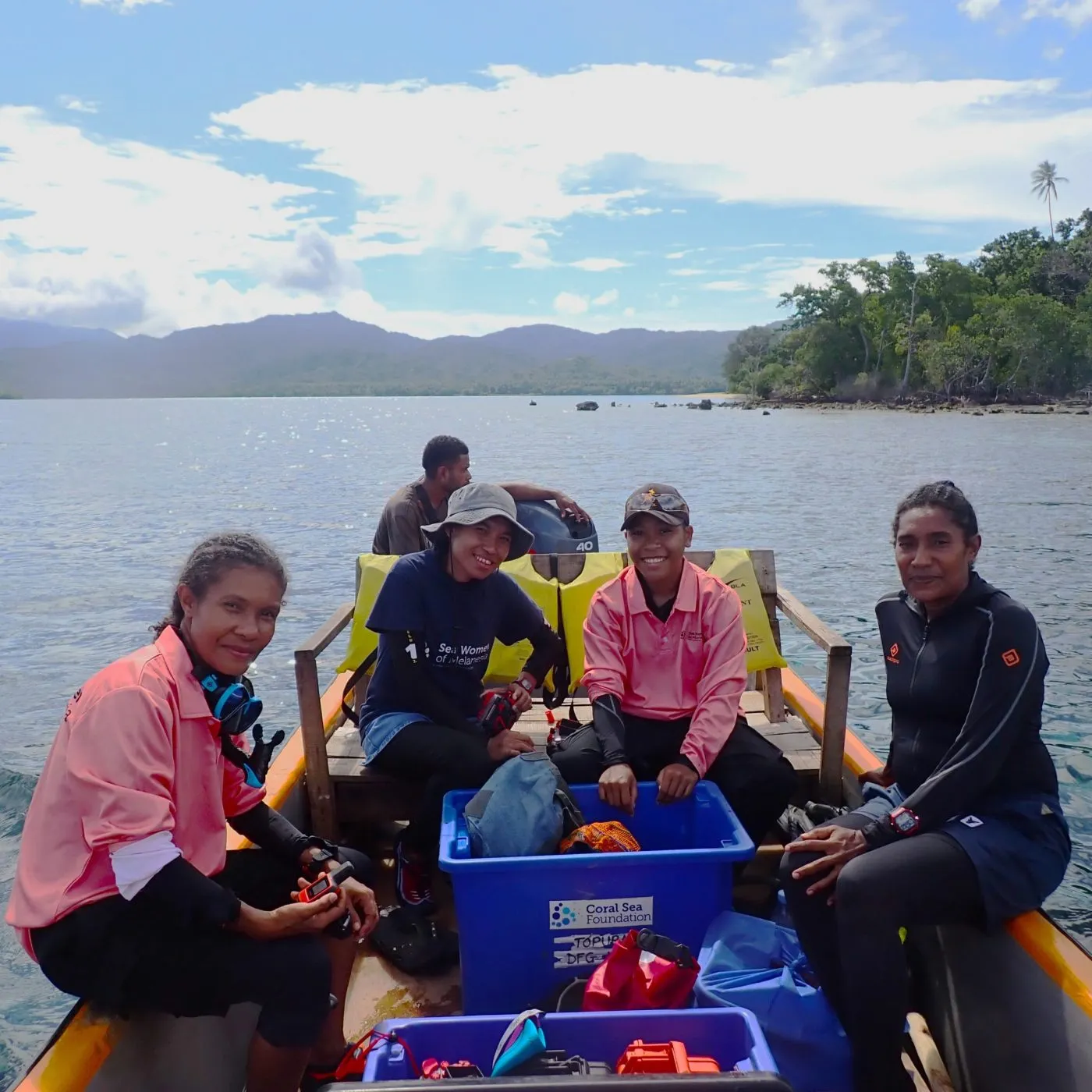
A Sea Woman in dive gear celebrating, with the Equator Prize and UNDP logos

2025

Equator Prize

UNDP Equator Initiative

Sea Women of Melanesia was selected as one of only ten global winners from 700 applications.
Read the story

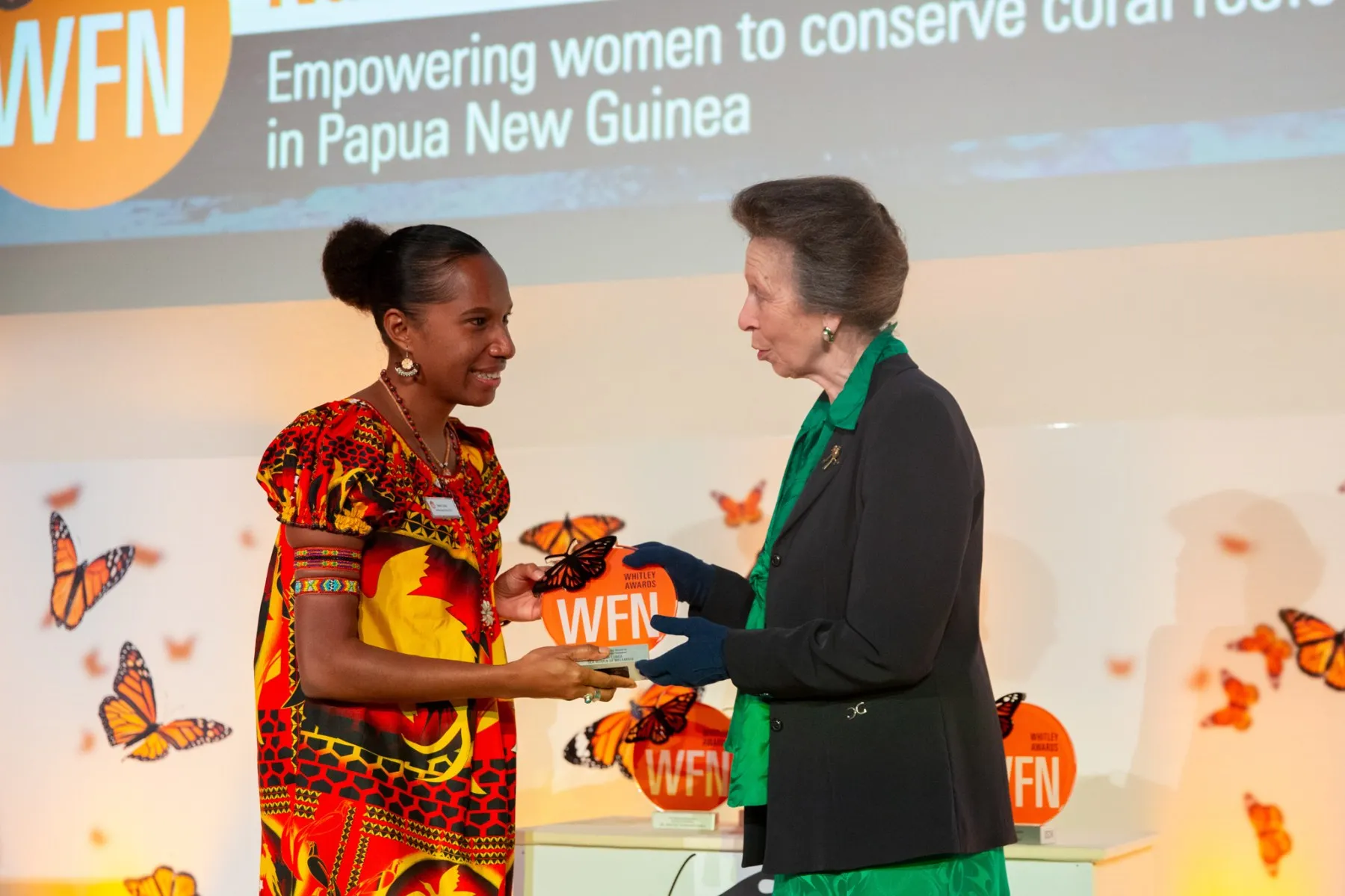
Naomi Longa receiving the Whitley Award from HRH The Princess Royal

2024

Whitley Award

Whitley Fund for Nature

Charity Patron HRH The Princess Royal presented the Whitley Award to Naomi Longa on 1 May at the Royal Geographical Society in London.

Read the story

  • 2023

    Commonwealth Innovation for Sustainable Development Awards

    The Commonwealth

    Winner in the category Protect the planet and the natural environment in the Commonwealth.

  • 2022

    Commonwealth Youth Awards

    The Commonwealth

    Finalist for UN SDG 14 Life Below Water.

  • 2021

    Champions of the Earth

    United Nations

    Category Inspiration and Action.

  • 2021

    Ocean Award, Local Hero

    Blue Marine Foundation

    Awarded to Naomi Longa in the category Local Hero.

  • 2020

    Ocean Tribute Award

    boot Düsseldorf

Videos

See the reefs and the women who protect them.

Expedition films, award speeches and portraits from the Sea Women of Melanesia YouTube channel.

Equator Prize 2025 Winner Video

The UNDP Equator Prize film about the Port Moresby team and the community of Tubusereia village.

  • Whitley Award film, narrated by Sir David Attenborough

  • Naomi Longa’s speech at the Whitley Awards ceremony

  • Lorie Pipiga, Sea Woman

  • Voices of Pawa

  • Gabagaba Reef Survey Training Expedition

  • Emerging Climate Champions

  • The Pacific Coral Reef Action Plan

  • Kimbe Sea Women: Starfish Control

  • Sea Women at Harengan Island

  • Pelelua Locally Managed Marine Area

  • Kimbe Fish ID Video

  • The Ocean Awards 2021, Local Hero Award

Videos load from YouTube in privacy enhanced mode, and only after you press play. More on the YouTube channel.

News

What the Sea Women did this season.

All news

Support the work

Help Indigenous women protect the reefs their communities live from.

The donate button leads to the fundraising page of the Coral Sea Foundation, the technical partner of the program.

The donation page opens on GoFundraise, an external service.

What support makes possible

  • Training that lastsDive and survey training for Indigenous women, step by step through the Level One Standard.
  • Equipment women run themselvesCameras, GPS units and small boats with outboard engines that the women operate on their own.
  • Community marine reservesSupport for coastal communities that create and manage Locally Managed Marine Areas.
  • Humanitarian aid and educationPractical help for partner villages, delivered alongside the conservation work.

Companies, foundations and institutions can become program partners. Write to info@seawomen.net.

Supported by

The Sea Women of Melanesia program is made possible by foundations, institutions and companies who share the mission.

  • UK Foreign, Commonwealth and Development Office
  • FPA2
  • Oceans 5
  • The Jock Clough Marine Foundation
  • Melanesian Yachts
  • Tanka Foundation
  • Coral Sea Foundation
  • National Maritime Safety Authority PNG
  • Sall Family Foundation
  • Rumah Group Foundation
  • Blue Moon Distillers
  • Kristin Lindblad
  • Aranya Solutions
  • OM System
  • Swire Shipping
  • Steamships
  • Daughters of the Deep
  • Ocean Grants
  • PMAFF
  • Irish Aid

Questions

Quick answers about Sea Women of Melanesia.

What is Sea Women of Melanesia?

Sea Women of Melanesia Inc. is a not for profit association incorporated in Papua New Guinea. It is the first all female marine conservation organisation in the region, and all of its directors are Indigenous Papua New Guinean women. Technical support comes from the Coral Sea Foundation.

What does the organisation do?

It trains and equips Melanesian women to survey coral reefs and to help coastal communities create and manage Locally Managed Marine Areas. Communities benefit through sustainable fisheries, protected biodiversity, humanitarian aid and education.

Where does Sea Women of Melanesia work?

The head office is in Port Moresby, the national capital of Papua New Guinea. Regional offices are in Alotau in Milne Bay Province and in Kimbe in West New Britain Province. The Sea Women Great Barrier Reef program runs from the Coral Sea Foundation base on Yunbenun (Magnetic Island) in Queensland.

What is the Sea Women Level One Training Standard?

It is the step by step training standard of the program. It covers snorkelling and diving, marine life identification, reef monitoring surveys, small boat operations, expedition planning and community engagement.

How are reefs surveyed?

Teams use the Locally Managed Marine Area Survey Method with fish and invertebrate counts over a standard 50 m by 5 m transect, plus geotagged photographs that are analysed with the ReefCloud.Ai system developed by the Australian Institute of Marine Science.

Which awards has the organisation won?

Among others the UNDP Equator Prize 2025 as one of ten winners worldwide, the Whitley Award 2024 for Naomi Longa, the Commonwealth Innovation for Sustainable Development Award 2023 and the Ocean Award in the category Local Hero 2021.

How can I support the work?

You can donate through the fundraising page of the Coral Sea Foundation, partner with the organisation as a company or foundation, or share its stories. For partnerships and press enquiries write to info@seawomen.net.